 Free CAD before you commit
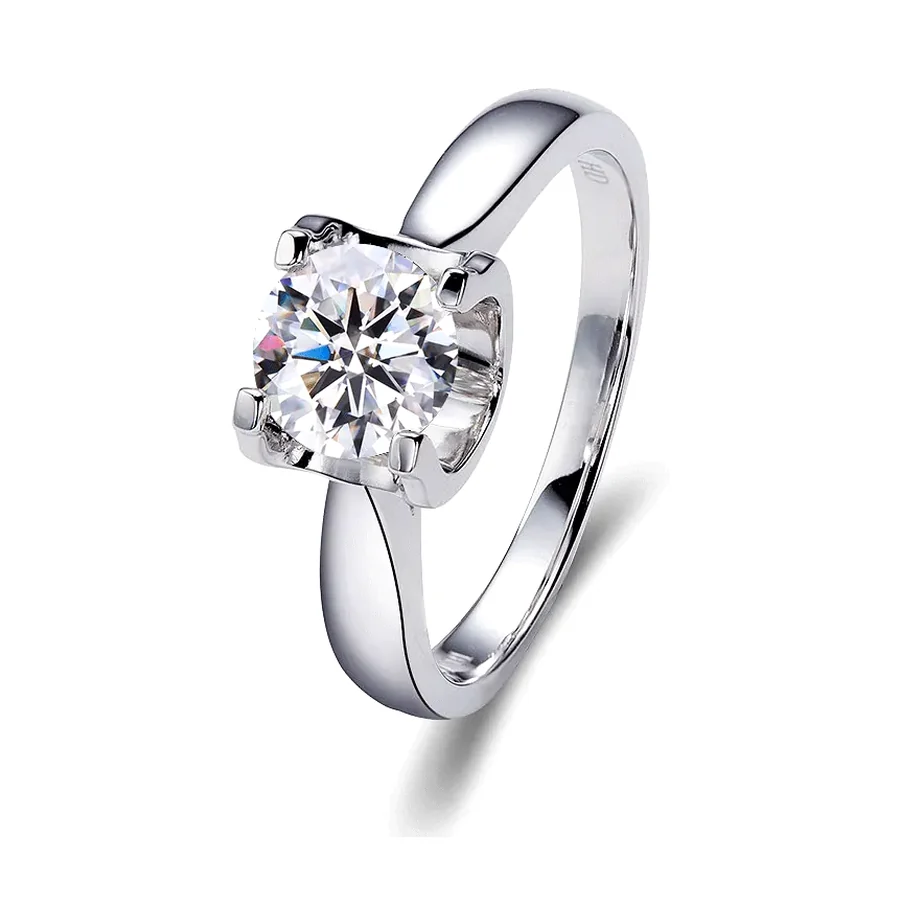 222 engagement designs
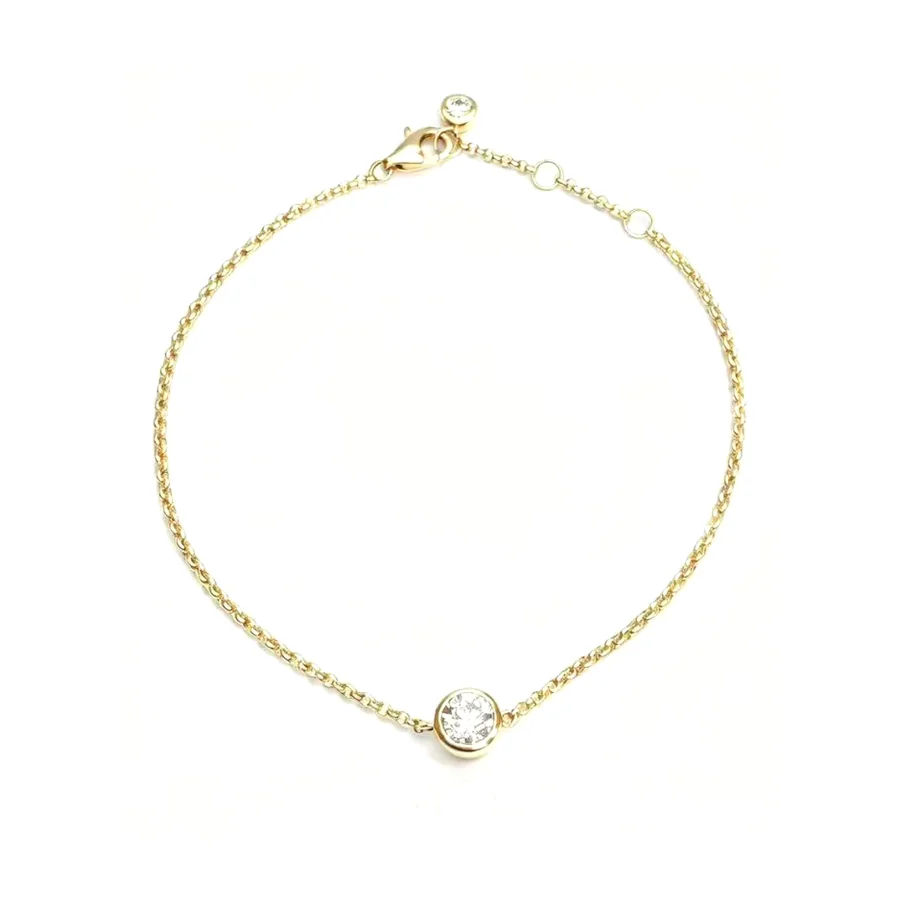 269 necklaces & pendants
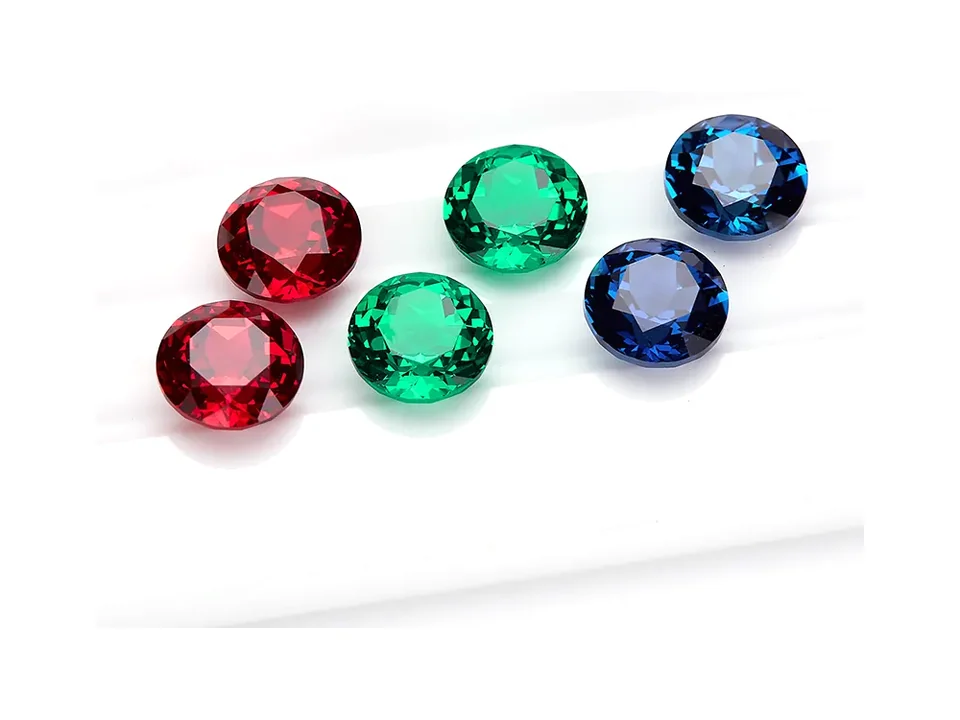 Matched pairs from stock
 18 years under one roof
Necklaces
Custom Pendants
A pendant hangs or it does not — the bail decides.
The difference between a pendant that looks expensive and one that looks like a kit is the bail. A bail placed too high makes the stone tip forward; a bail too tight stops the pendant from moving. We set the bail so the stone sits flat against the collarbone and still swings.
Settings that work for pendants
- Bezel — the most wearable. Protects the girdle, never catches on clothing, and reads as a solid piece of metal rather than a claw.
- Four-prong basket — maximum light, but the claws catch on knitwear. Best for stones 6 mm and up.
- Halo — adds visual size. Keep the halo below the table or the piece looks like a disc.
- Station and lariat — stones set along the chain; the engineering is in the chain weight, not the setting.
Chain and length
16" sits at the base of the throat, 18" on the collarbone, 20" below it. A heavy pendant on a light chain will always hang badly, so we match chain gauge to pendant weight. Cable, box, rope and bead chains are all available; the clasp is a lobster or a box depending on weight.
Convertible pieces
A pendant that becomes a ring, a stone that swaps between two frames, a chain that doubles as a bracelet. These are engineering problems more than design problems, and we will tell you honestly if a mechanism will wear out.
Inherited stones
Old cuts — mine cut, old European, rose cut — were cut by hand for candlelight and look flat under modern lighting. A bezel or a closed-back setting flatters them more than a bright modern basket. We will show you both in CAD.