 Free CAD before you commit
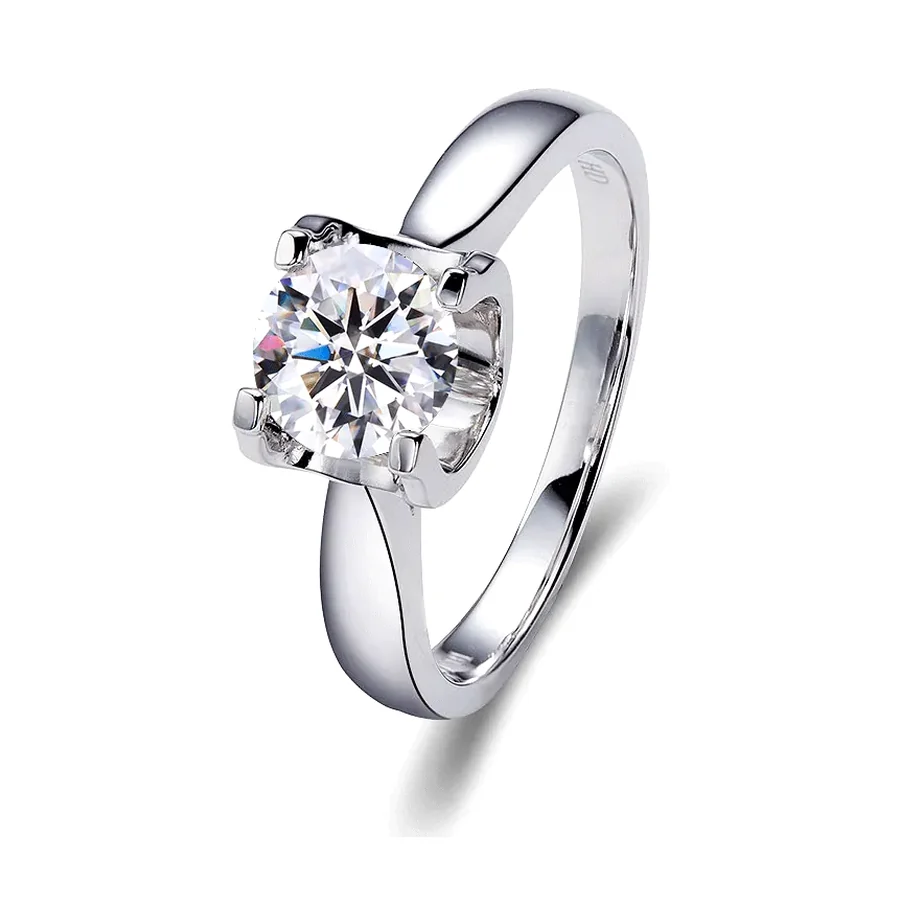 222 engagement designs
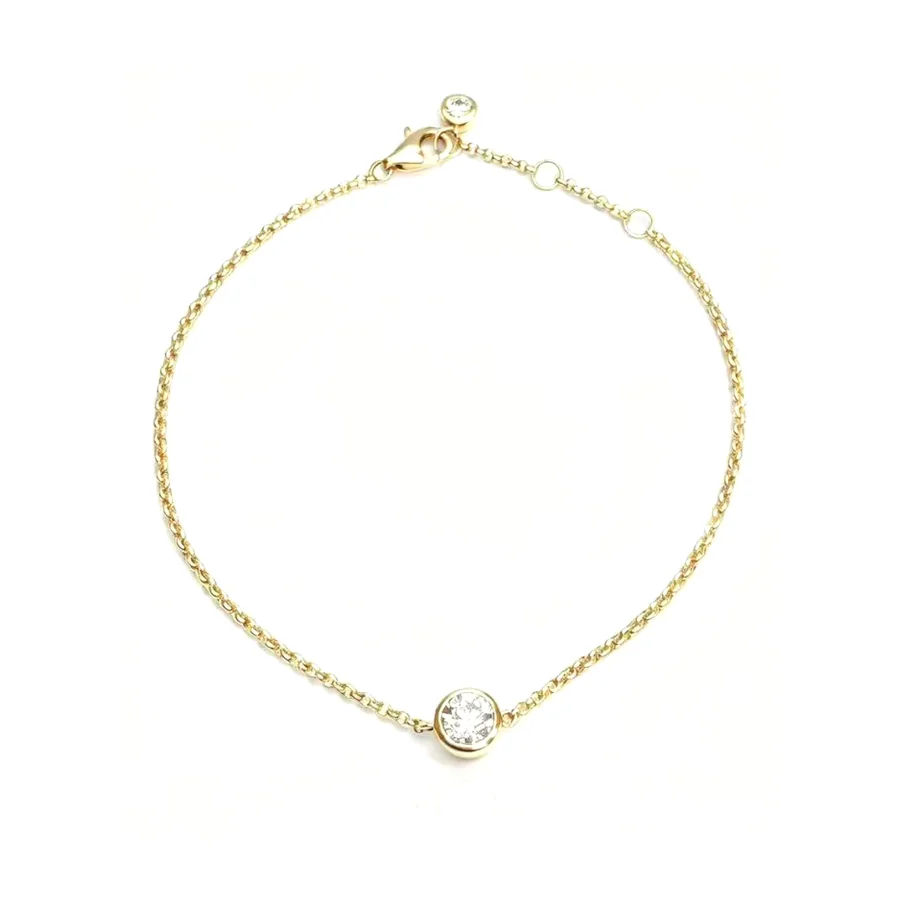 269 necklaces & pendants
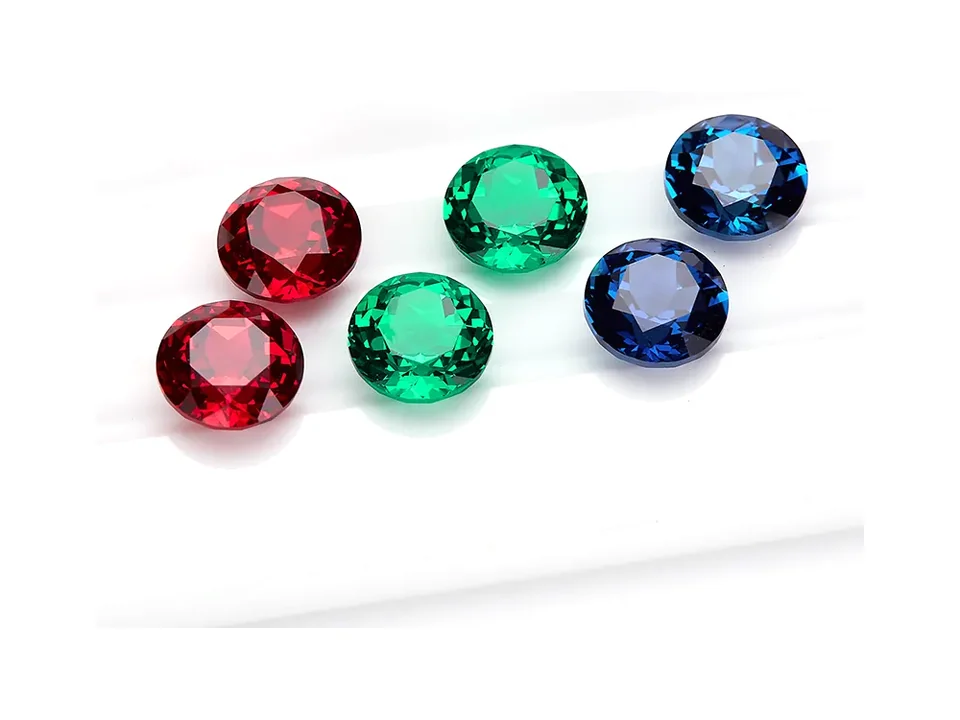 Matched pairs from stock
 18 years under one roof
Restyling
Heirloom Redesign
The stones you inherited, in a piece you will actually wear.
Most inherited jewelry sits in a drawer because the setting belongs to another decade. The stones are usually fine. The design is the problem, and design is what we do.
Step one: inspect before designing
Send clear photographs from several angles plus the stone’s measurements if you can. We look for chips at the girdle, worn facet junctions, and whether the stone has been set so long that the pavilion is abraded. If the stone needs re-polishing or re-cutting, we say so before drawing anything — a new setting around a damaged stone is money wasted.
Step two: decide what to keep
Some clients want the original setting preserved and restored; others want the stones reset and the old metal returned. We do both. The original setting is always returned to you, in a bag, with the work — never scrapped without written agreement.
Step three: design for the stones you have
Old cuts — old European, mine cut, rose cut, single cut — have deep pavilions and small tables. They look dull under modern spotlighting and beautiful in a bezel with a warm metal. We design for the cut, not against it.
Step four: make it wearable
The most common request is "the same ring but I can wear it". That usually means lowering the head, narrowing the shank slightly, and adding a proper seat so the stone stops rocking. The sentiment stays; the geometry changes.
Practical notes
- Family stones are usually un-certified; we can send a stone for grading if you want documentation.
- We photograph every stone before setting and after, so there is a record of condition.
- Turnaround is 15–25 business days, longer if stones need re-polishing.
- Ship stones insured and tracked, and only after we have issued a reference number.