 Free CAD before you commit
 222 engagement designs
 269 necklaces & pendants
 Matched pairs from stock
 18 years under one roof
Guide · Design
Setting Types Explained
Prong, bezel, channel, pavé, tension — what each one does to the stone.
A setting is a piece of engineering disguised as a style choice. It decides how much light reaches the stone, how exposed the girdle is, how low the piece sits and how repairable it is.
Prong settings
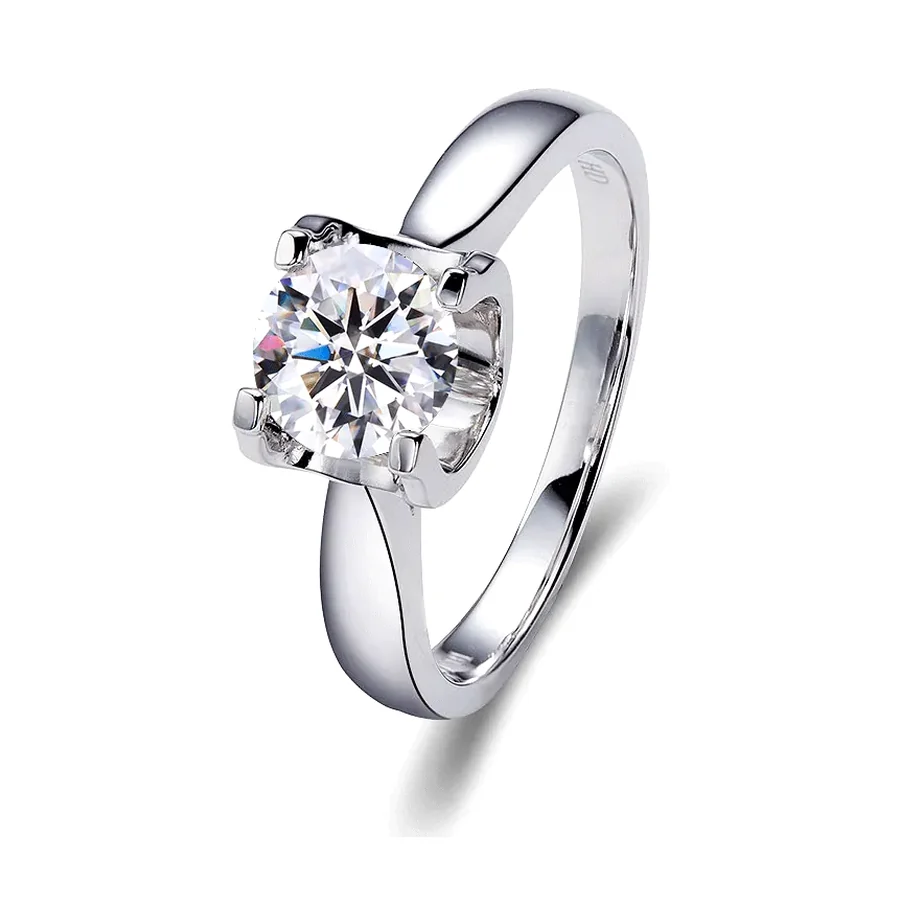
Metal claws fold over the girdle. Four prongs show the most stone; six are more secure and read slightly smaller. Prongs wear and can be re-tipped, which is a routine repair. They also catch on knitwear — the most common complaint about prong-set rings.
Bezel
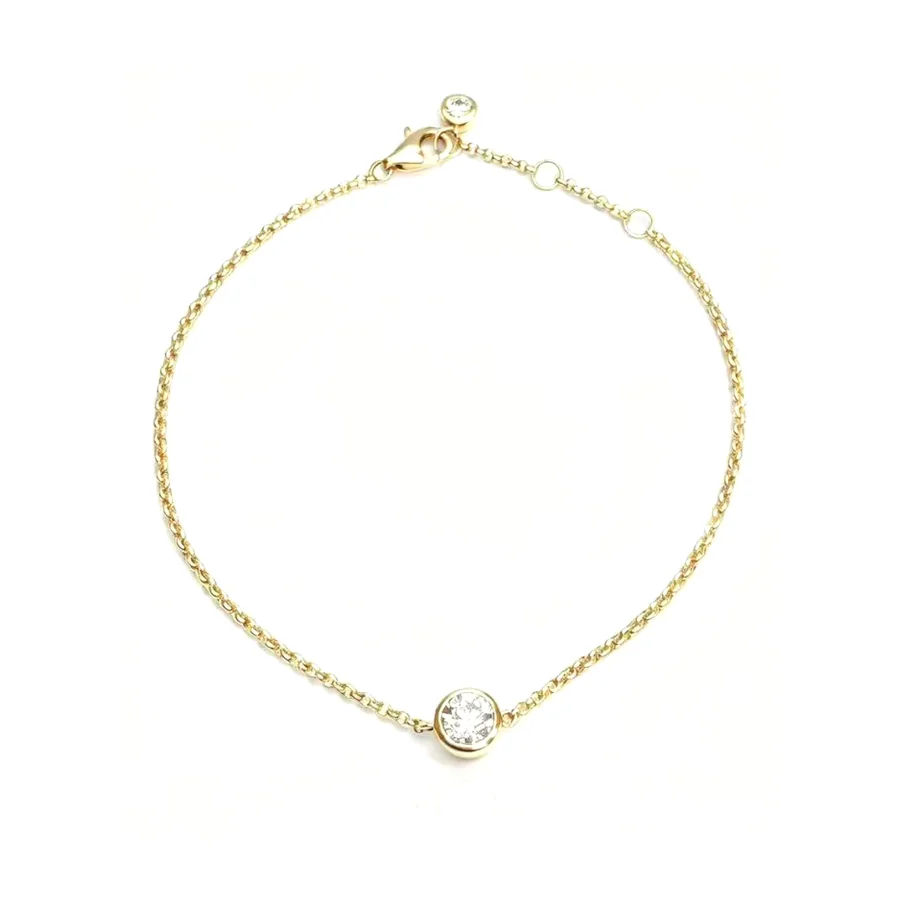
A wall of metal encircles the girdle. It is the most protective setting and the lowest profile, which makes it right for nurses, climbers and anyone who works with their hands. It hides the stone’s edge, so a bezel reads as a solid piece of metal rather than a claw. Bezels must be hand-cut to the stone — a generic bezel will either rattle or distort the girdle.
Halo
A ring of small stones around the center. It adds visual size and is the most photographed style of the last decade. The engineering rule: the halo must sit below the center stone’s table, or the piece looks like a flat disc in profile.
Channel
Stones are set between two walls of metal, with no prongs visible. Very secure, very clean, and popular for wedding bands. Channel setting requires calibrated stones within 0.1 mm, because there is no prong to take up the slack.
Pavé
Many tiny stones set close together with beads of metal between them. It gives the impression of a continuous surface of light. Pavé is labour-intensive, cannot easily be resized once it wraps the shank, and each bead is a small wear point. Done well, it lasts decades; done cheaply, stones fall out in the first year.
Tension
The stone is held by the spring tension of the shank, with no visible support. Spectacular in photographs, and genuinely dependent on the alloy’s memory — it works best in harder metals and needs a stone with a strong girdle. We make tension-look settings with a hidden support rather than true tension, and we say so.
Flush and gypsy
The stone is set into the metal so its table is level with the surface. Extremely durable, used in men’s bands and in pieces worn by people who cannot afford a snag. The trade-off: less light, and the stone is harder to replace.
Choosing by lifestyle
- Hands-on work, gloves, gym: bezel or flush.
- Classic engagement: six-prong solitaire or a halo with a low gallery.
- Maximum sparkle in photographs: four-prong with a high crown, or a pavé halo.
- Wedding band that never comes off: channel or bezel-set eternity.