Free CAD before you commit
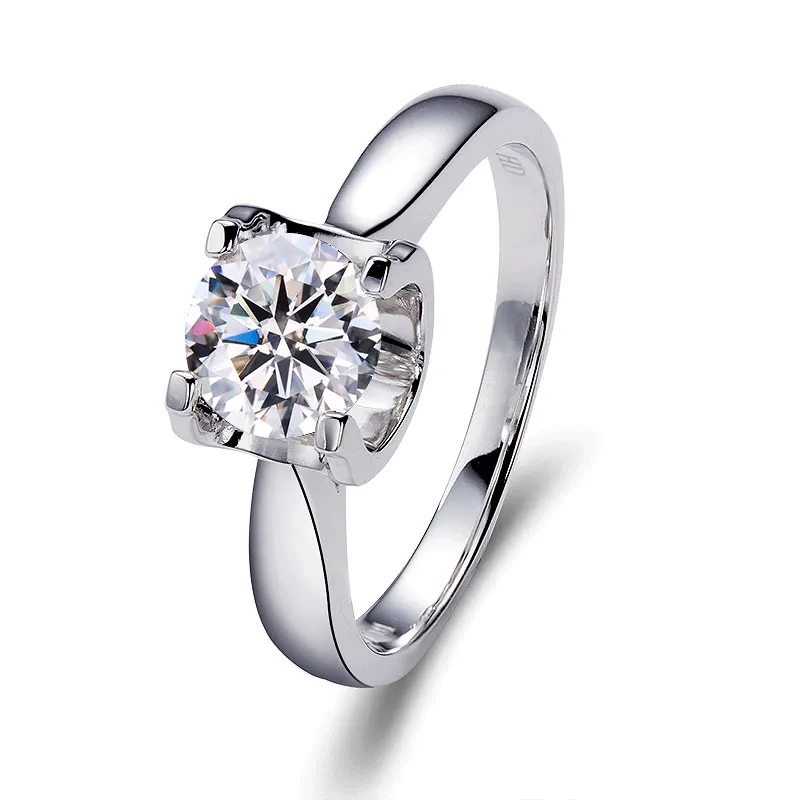
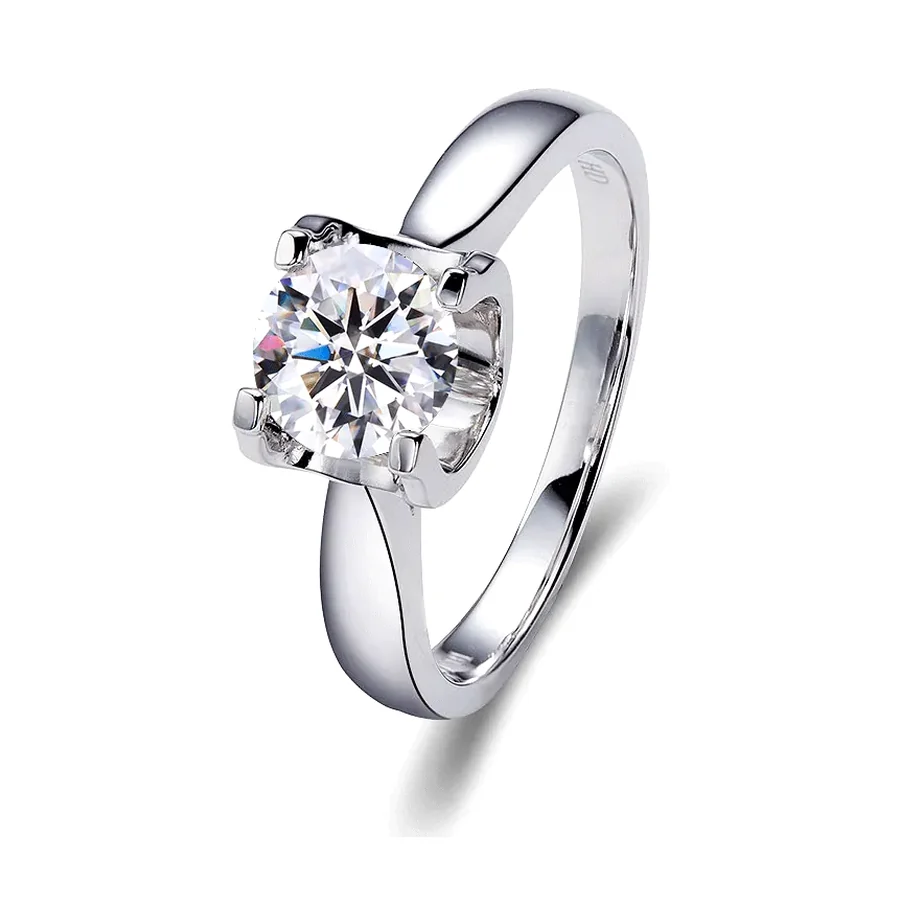 222 engagement designs
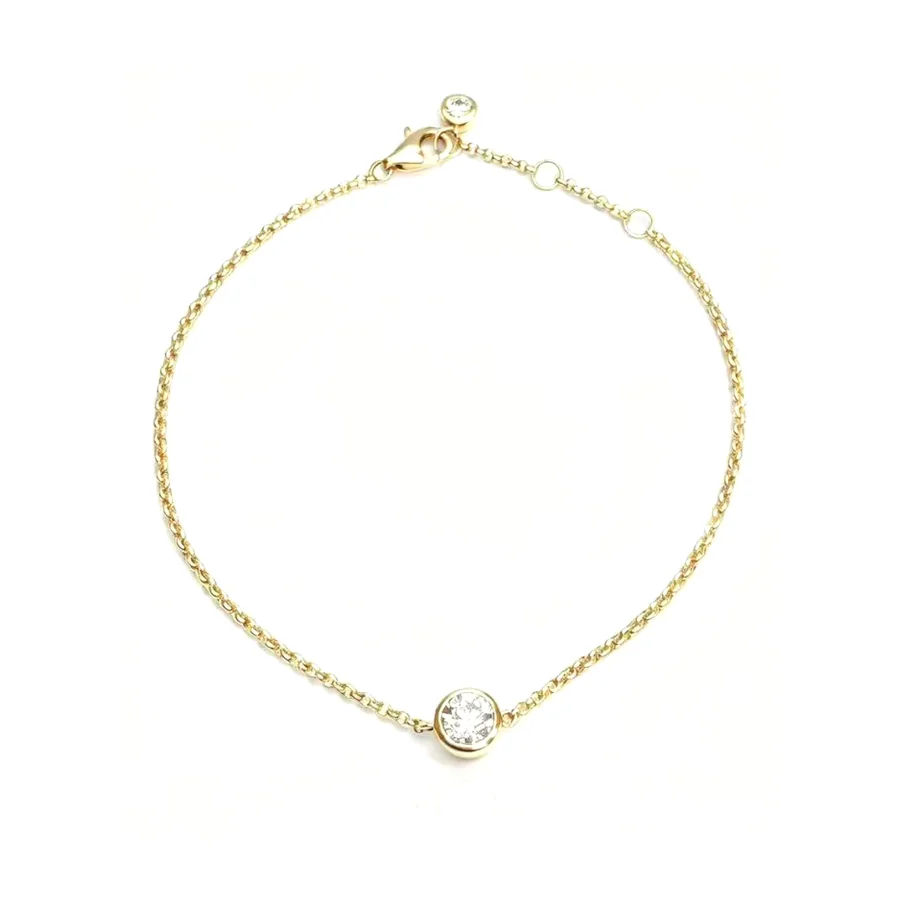 269 necklaces & pendants
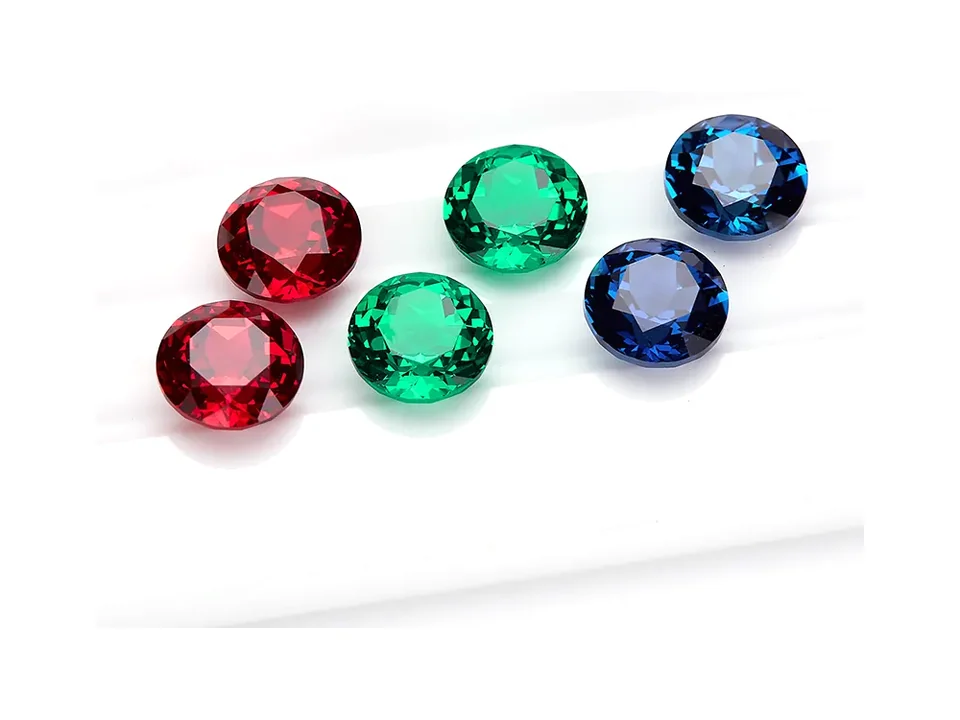 Matched pairs from stock
 18 years under one roof

White gold is not white. It is gold alloyed with white metals, then plated with rhodium, and the rhodium is what you are actually looking at.
Why the plating wears
Rhodium is a hard, bright metal applied at 0.05–0.2 microns. It wears at high points first — the edges of the shank, the tips of prongs, the top of a band. On a ring worn daily, expect visible warm patches at 12–24 months.
What it looks like when it goes
Not a dramatic failure. A yellowish tinge at the edges, then a duller surface overall. Most people notice in photographs before they notice on the hand.
Re-plating is maintenance, not repair
It is a routine jeweller service: polish, clean, plate, polish. We charge US$25–40. It takes 7–10 days including transit. A ring can be re-plated indefinitely — the process removes almost no metal from the piece, unlike polishing.
Making it last longer
- Do not polish plated white gold with abrasive compounds; you will remove the rhodium.
- Remove rings for cleaning, gardening and the gym.
- Chlorine and hand sanitiser accelerate wear at the edges.
- A thicker rhodium layer (0.2 microns) is available on request for heavy-wear rings.
The alternative
Platinum does not need plating: it is the same color all the way through and develops a patina instead. Palladium white gold is closer to white without plating but is softer. If you hate maintenance, platinum is the honest answer — it costs more, and it ends the plating cycle.
Yellow and rose gold
Neither is plated. Yellow gold shows wear as fine scratches, which polish out. Rose gold’s copper content makes it slightly harder than yellow but it can darken with certain chemicals — avoid chlorine.