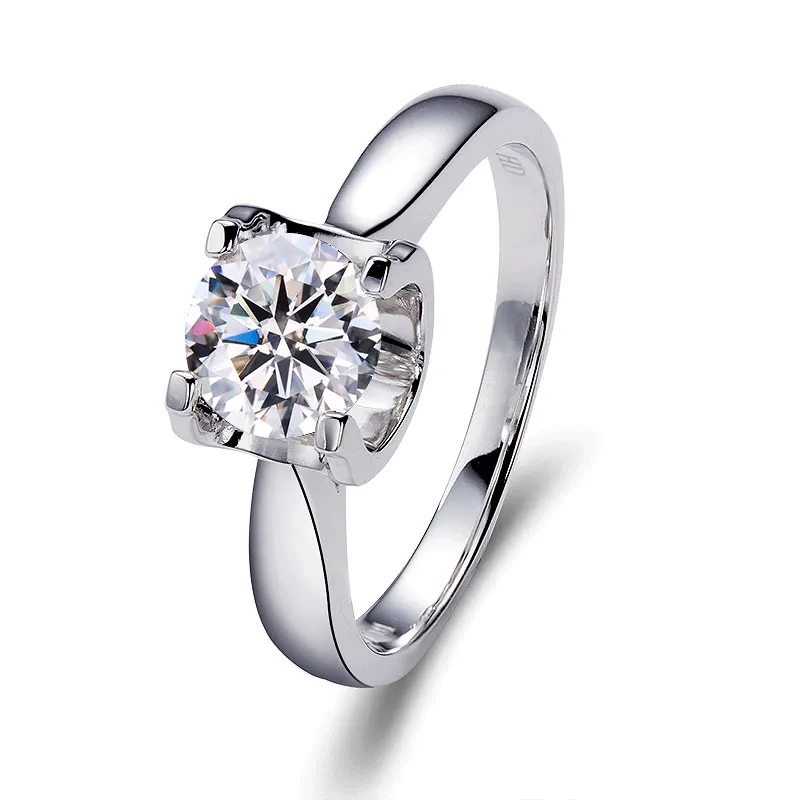
Free CAD before you commit
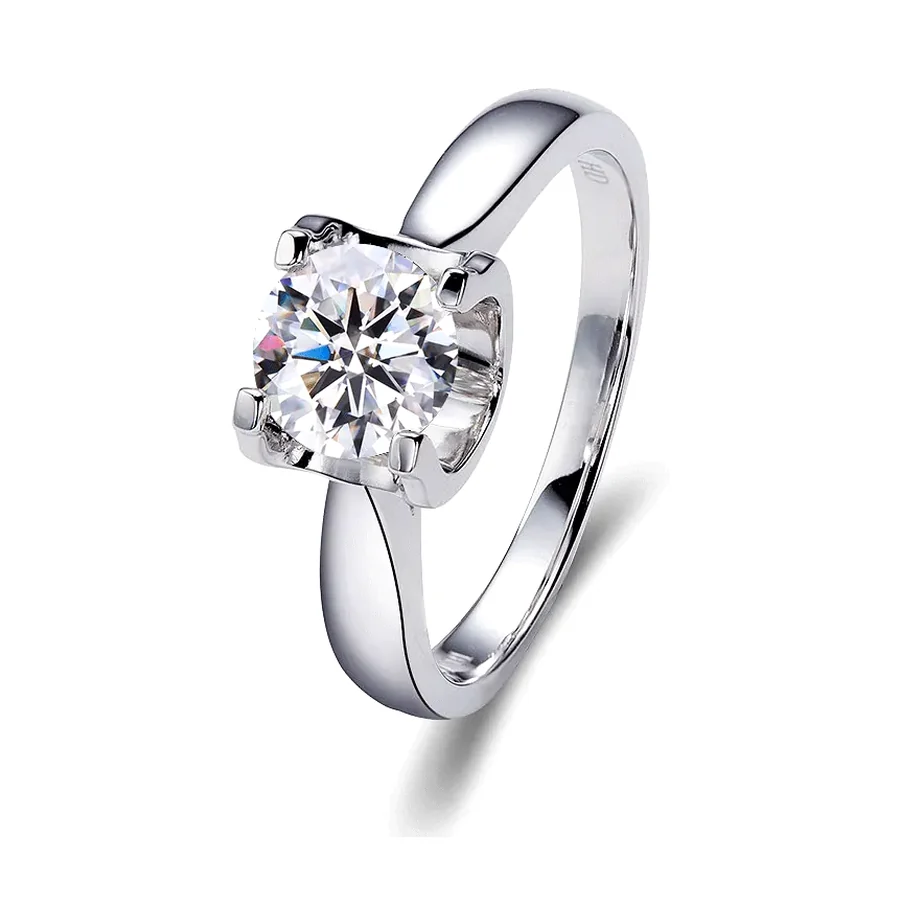 222 engagement designs
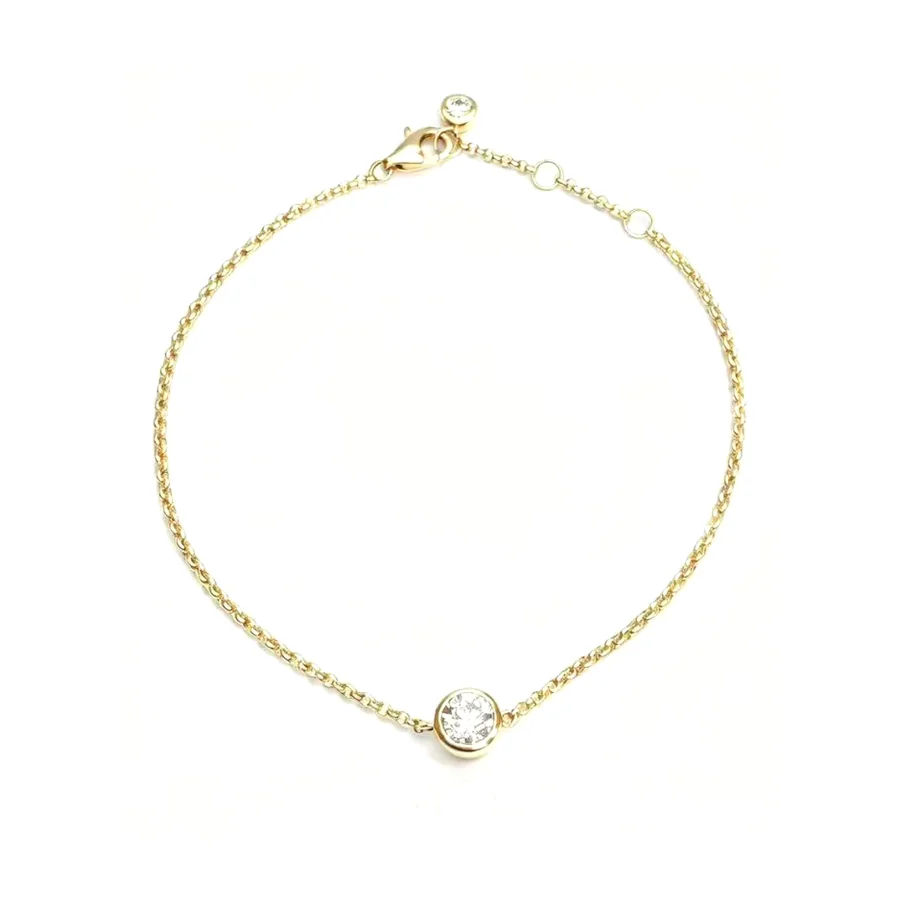 269 necklaces & pendants
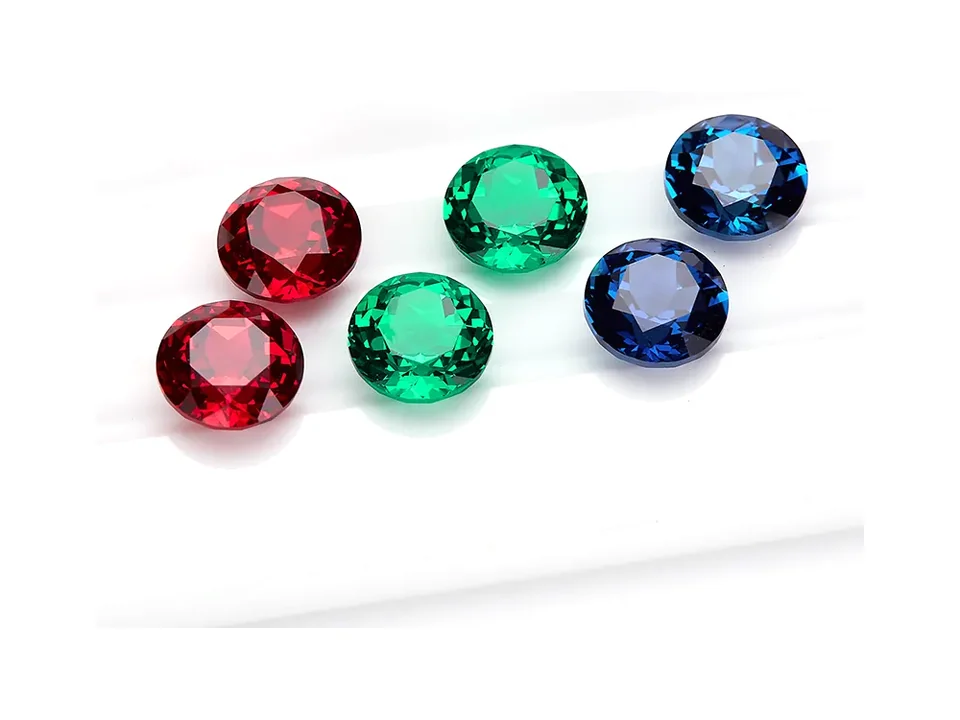 Matched pairs from stock
 18 years under one roof
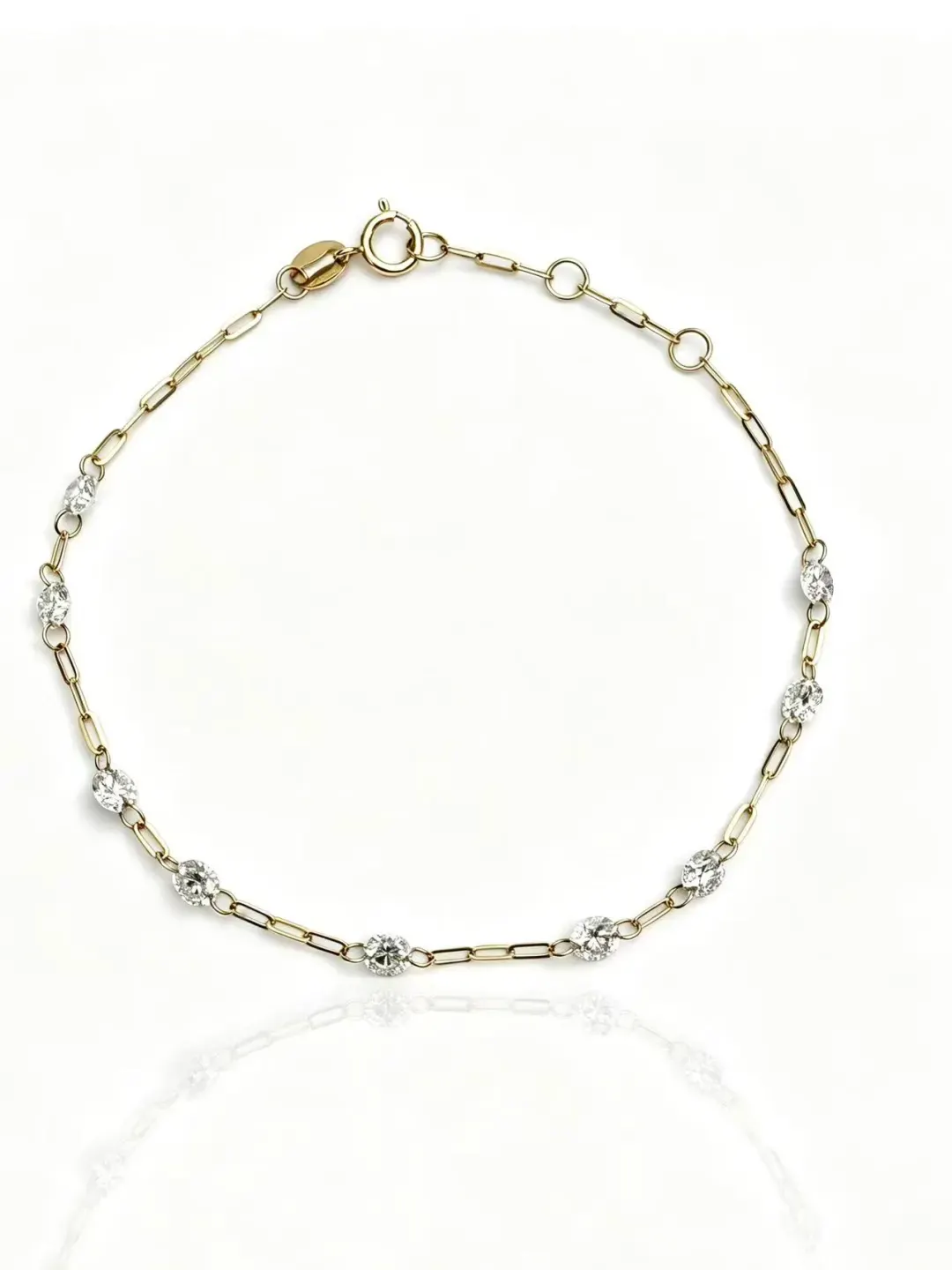
Pavé looks like a surface of continuous light. In reality it is dozens of small stones held by dozens of small beads of metal, each of which is a wear point. Good pavé lasts decades; cheap pavé loses stones in the first year.
What good pavé looks like
- Stones are the same size and sit at the same height — run a fingernail across; it should feel even.
- Beads are round and sit against the girdle, not on top of the table.
- No gaps between stones larger than the width of a bead.
- The metal between stones is polished, not rough — rough metal traps dirt and abrades the girdle.
The three failure modes
Bead wear. Beads are 0.3–0.5 mm; they wear thin and the stone lifts. This is the most common failure and is repairable if caught early.
Girdle chips. Caused by setting stones too tightly or by a stone with a thin girdle. The chip is invisible until the stone falls out.
Shank flex. A pavé band that is too thin bends, and bending pops stones. Pavé needs at least 2 mm of shank, ideally 2.2 mm.
Resizing a pavé band
Cutting and re-joining a full-pavé shank means removing stones at the joint, sizing, then re-setting. On a full eternity band, most workshops refuse — the joint is always visible. This is why we ask for the size twice before making one.
Cleaning
Pavé collects soap and skin cells in the gaps. Warm water, a soft brush, and a rinse is enough. Do not use a toothpick or a pin — you will lift a bead.
Cost expectations
Replacing one melee stone and re-beading costs US$8–25 depending on size. Rebuilding a section of pavé costs more. A yearly check is the cheapest line item in the whole ownership.