 Free CAD before you commit
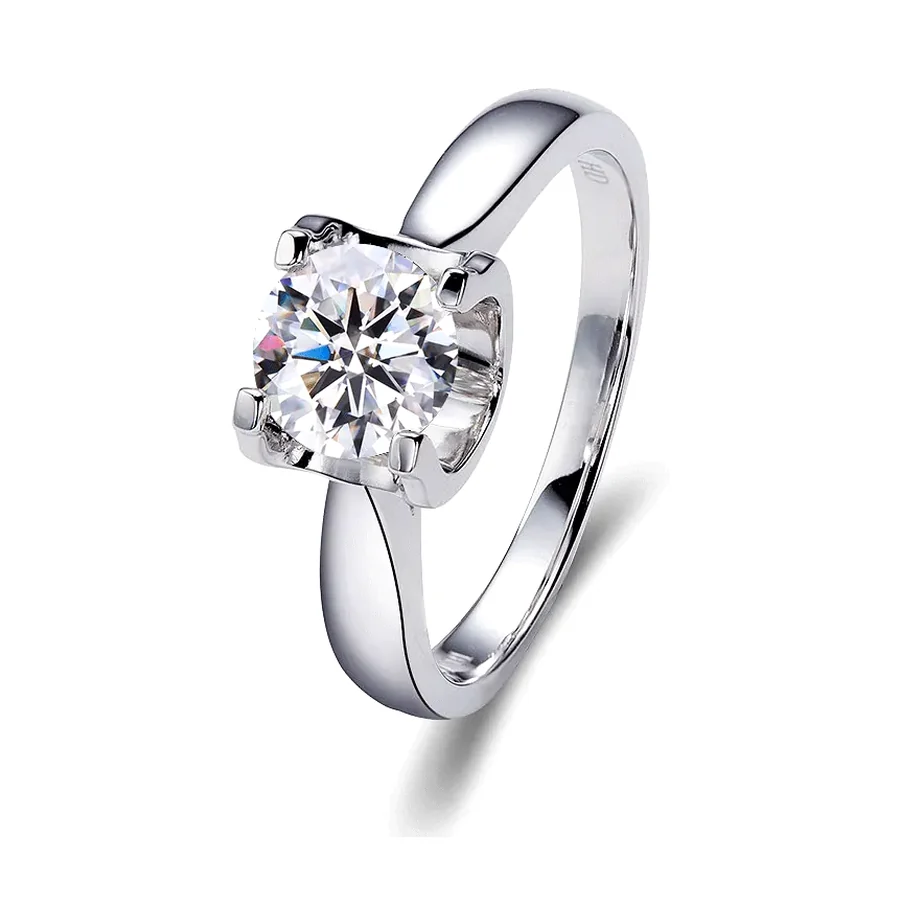 222 engagement designs
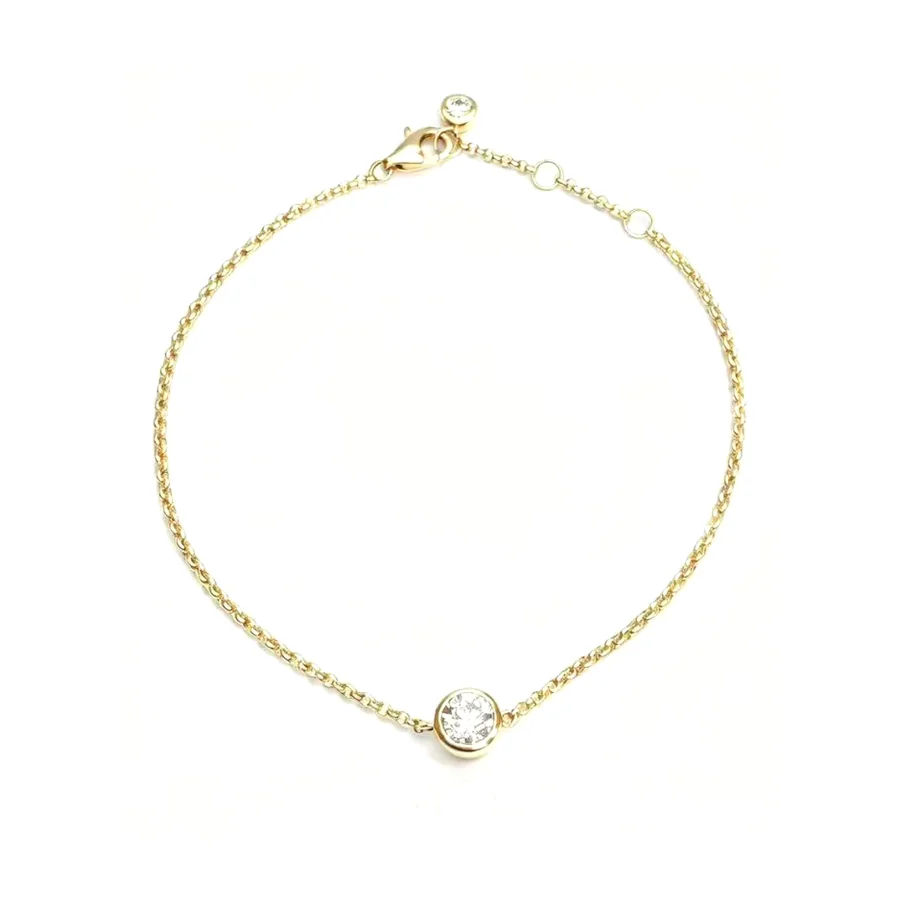 269 necklaces & pendants
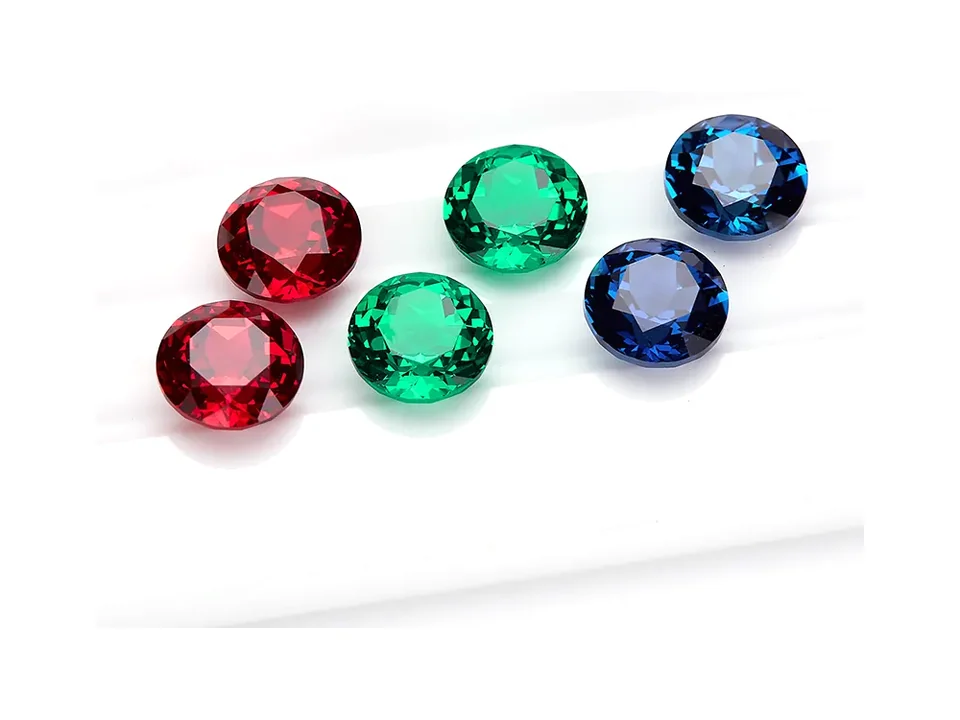 Matched pairs from stock
 18 years under one roof
Guide · Stones
Lab-Grown vs Natural Diamond
Identical in the loupe, different in the invoice, and very different on resale.
Updated November 2026 · Holycome Custom Jewelry
A lab-grown diamond and a mined diamond are the same material. Same carbon lattice, same hardness, same thermal conductivity. A standard diamond tester cannot distinguish them; only a laboratory with spectroscopy can, and that is what the certificate is for.
What is genuinely different
- Origin and energy. One is grown in a reactor over weeks, the other mined. The energy and land footprint differ substantially, though "carbon neutral" claims are difficult to verify per stone.
- Price. Lab-grown stones cost a fraction of mined equivalents at the same size and grade, and the gap has widened every year since 2018.
- Resale. Natural diamonds hold some resale value; lab-grown stones have very little. This is the single most important practical difference and it is rarely mentioned at the counter.
- Supply. Lab-grown availability in fancy shapes and large sizes is better, because production can be scheduled.
What is not different
Appearance. A well-cut lab-grown diamond and a well-cut natural diamond of the same grade look the same to the eye, in the same setting, under the same light. Anyone who tells you otherwise is selling the certificate, not the stone.
Reading the certificate
IGI and GIA both grade lab-grown stones and state the growth method on the report. Look at: measurements in millimeters (not just carat), color and clarity grade, polish and symmetry, fluorescence, and any comments about post-growth treatment. A "Type IIa" note is common and not a defect.
How to decide
If the ring is a daily-wear piece and the budget is finite, lab-grown gets you a larger, better-cut stone for the same money. If resale or the idea of natural origin matters to you or your family, buy natural — but buy it with a certificate and pay for cut quality, because a badly cut natural diamond looks worse than a well-cut lab stone at a fifth of the price.
Insurance note
Insure the replacement value, not the purchase price, and tell your insurer explicitly that the stone is lab-grown. Some policies handle lab-grown replacement differently, and you do not want to discover that during a claim.