 Free CAD before you commit
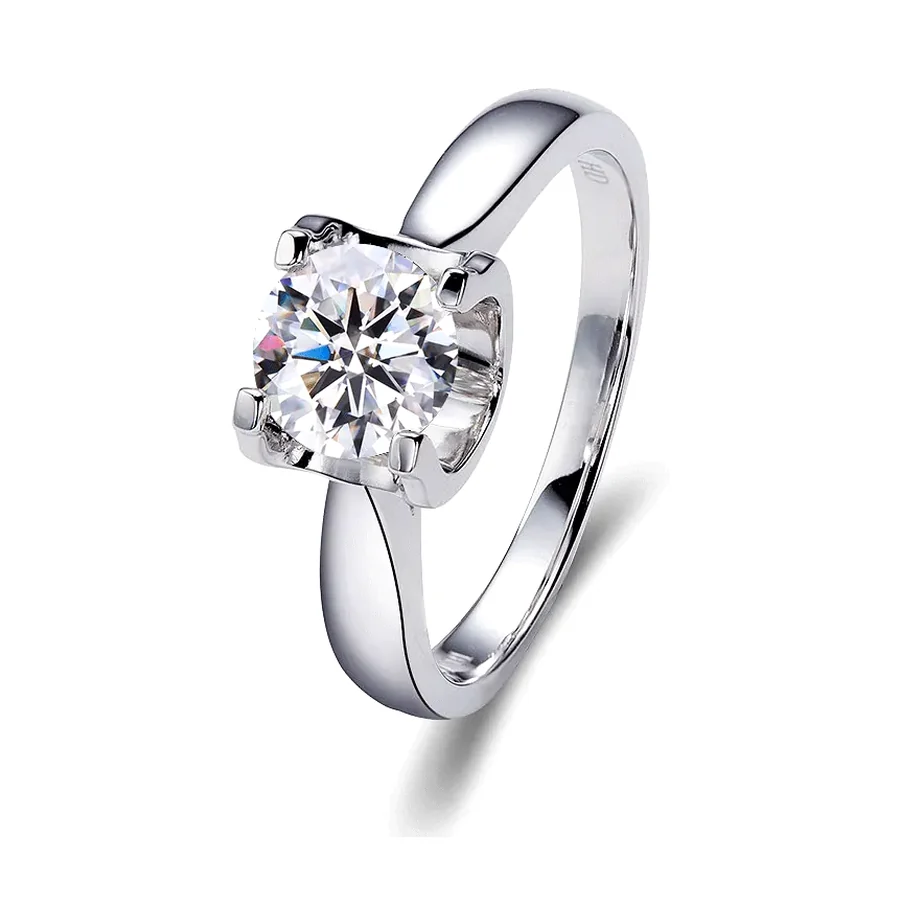 222 engagement designs
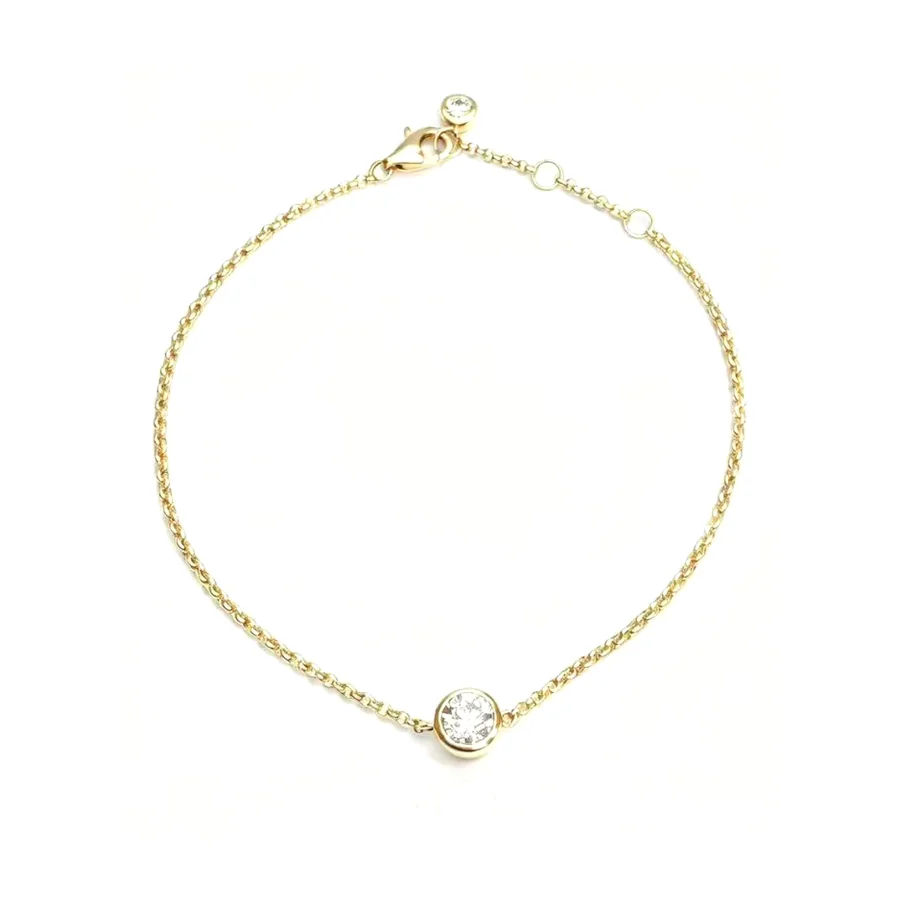 269 necklaces & pendants
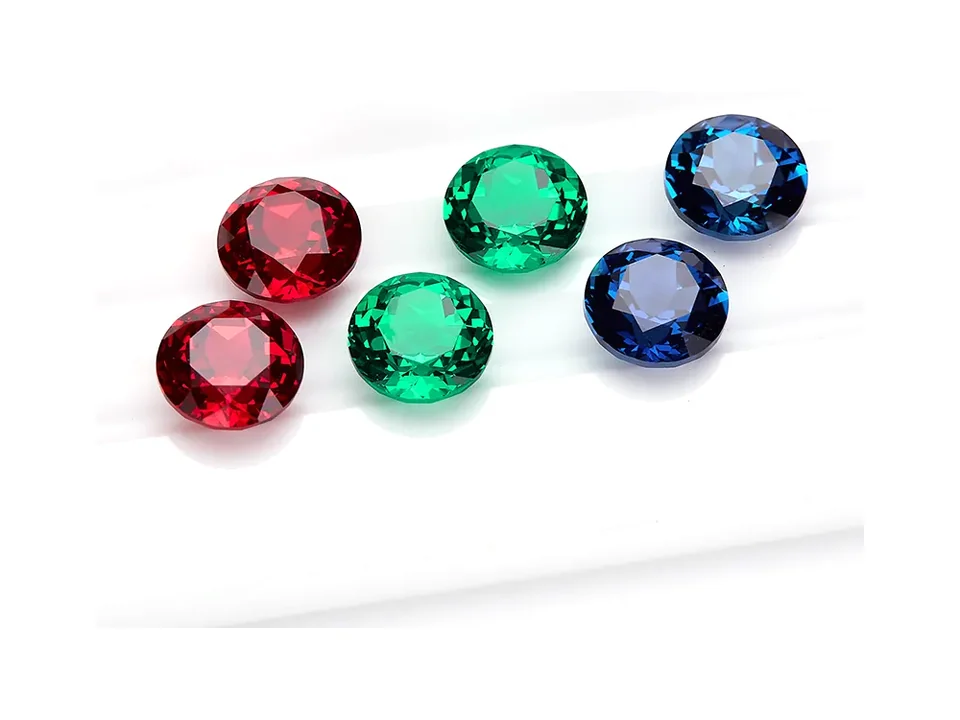 Matched pairs from stock
 18 years under one roof
Reference
Stone Guide
Moissanite, lab-grown diamond and colored stones — what actually differs.
Updated November 2026 · Holycome Custom Jewelry
Four materials get sold as "diamond-like". They are not equivalent, and the differences matter in ways that show up after a year of wear rather than in a photograph.
The short table
| Material | Hardness (Mohs) | Refractive index | Fire | Ages how |
|---|---|---|---|---|
| Diamond (natural or lab) | 10 | 2.42 | Moderate | Essentially unchanged |
| Moissanite | 9.25 | 2.65–2.69 | Very high | Stays clear; can develop surface scuffs |
| Cubic zirconia | 8–8.5 | 2.15 | Moderate | Clouds and scratches within 1–3 years of daily wear |
| Lab-grown sapphire | 9 | 1.76 | Low | Stable, but chips at the girdle |
Moissanite: the honest version
Moissanite has more fire than diamond — it splits light into color more aggressively. In a 6.5 mm round that reads as "brighter than a diamond" in photographs and "slightly disco" in person, depending on taste. It is also harder than sapphire and softer than diamond, which means it will not scratch from a fingernail but will scuff against a brick wall.
Most moissanite sold today is colorless (D–E equivalent). Older stock could look green or yellow; if a price is unusually low, ask about the color grade.
Lab-grown diamond: what you are paying for
A lab-grown diamond is a diamond. Same lattice, same hardness, same thermal conductivity — a diamond tester cannot tell them apart, which is why the certificate matters. You are paying for cut quality and for the paperwork, not for rarity. Resale value is low and should not be part of the decision.
Natural diamond: when it still makes sense
For some clients, the fact of natural origin is the point. We source natural stones on request, and we will not pretend the price difference is justified by appearance alone. Natural stones hold resale value better; they do not look better than a well-cut lab stone.
CZ: where it belongs
We use CZ for samples and for volume production where the budget is fixed. A CZ in a well-made silver setting looks fine for a year or two. It will cloud, it will scratch, and no amount of cleaning brings it back. Buy it knowing that.
Size versus carat
Carat is weight; millimeter is size. A 1 ct round is about 6.5 mm; a 1 ct oval is about 7.7 × 5.7 mm and looks larger. When you specify a stone, specify millimeters — especially if you are matching an existing piece.
Bow-tie, windowing and extinction
A bow-tie is a dark band across an oval or pear. Windowing is a see-through patch in an emerald cut. Extinction is a dark center in a poorly proportioned round. All three are visible on video and hard to see on a white background photo — ask for a hand-held video before buying a fancy shape.